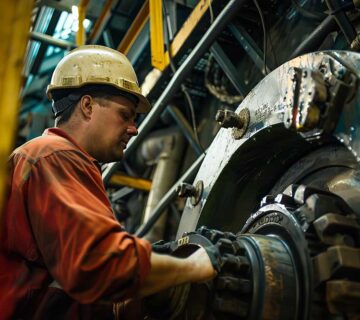

Globalization has significantly impacted the spare parts industry by creating more interconnected supply chains that span across multiple countries. This globalization allows for cost-effective sourcing of parts, but it also introduces risks related to supply chain disruptions, as seen during global crises. Economically, companies that rely on international spare parts must navigate these complexities to maintain operational efficiency and cost-effectiveness.
The economic implications of these global supply chains are profound. While they offer cost advantages, they also require companies to develop strategies for mitigating risks associated with geopolitical tensions, trade restrictions, and logistical challenges. As a result, there is an increasing trend towards diversifying supply sources and investing in local manufacturing of spare parts, which can contribute to economic resilience and stability.