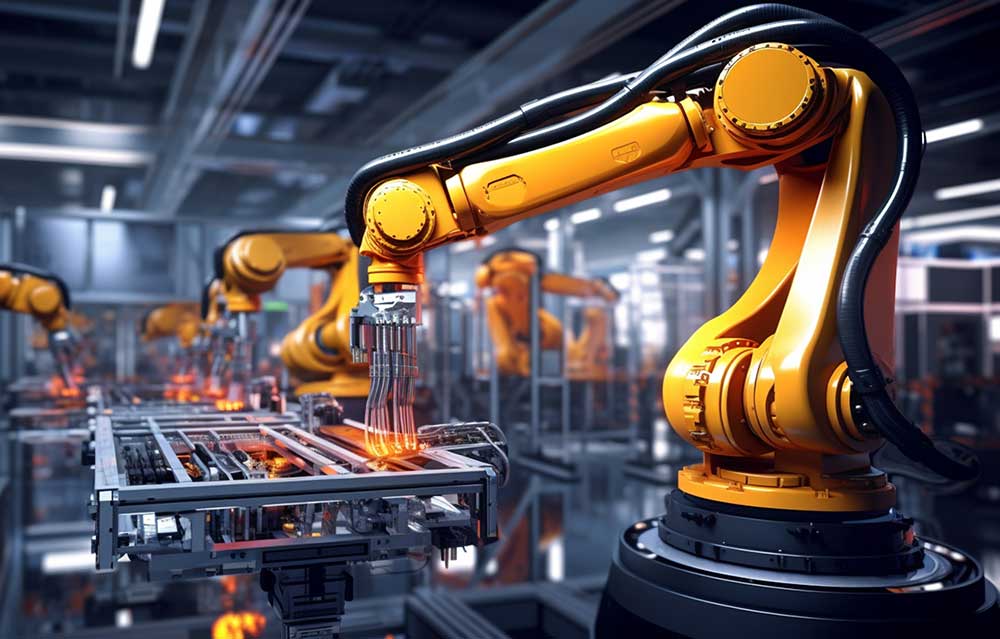
Automation is rapidly transforming the machinery industry, leading to increased efficiency and significant cost savings for businesses. As machines become more intelligent and capable of performing complex tasks, industries are experiencing a shift towards more automated production lines. This shift not only boosts productivity but also reduces the reliance on manual labor, which can result in lower production costs and higher profit margins for companies.
Economically, automation in machinery can lead to both positive and negative impacts. While it drives down costs and increases output, it also poses challenges for the workforce, particularly in regions heavily dependent on traditional manufacturing jobs. However, it creates opportunities in new sectors, such as robotics and AI development, fostering innovation and economic diversification.